Finding a room for rent in Manhattan requires more than scrolling through advertisements and choosing the lowest price.
Manhattan’s room rental market moves quickly. Prices can change significantly from one neighborhood to another, and two rooms located only a few subway stops apart may offer very different value.
The most important questions are not simply:
- How much is the rent?
- Is the room furnished?
- Does the apartment look nice?
You also need to consider the nearest subway line, the daily commute, the surrounding neighborhood, the building type, and how soon the room is available.
This guide focuses on the practical side of renting a room in Manhattan, especially in Harlem, Hamilton Heights, Washington Heights, and Inwood, where renters can often find better value than in Midtown or Lower Manhattan.
How Much Does a Room Cost in Manhattan?
A typical room in Manhattan may rent for approximately:
$1,200 to $1,800 per month
Some rooms may fall below or above that range depending on the location and living arrangement.
The price is usually influenced by:
- The neighborhood
- Distance from the subway
- Whether utilities are included
- Room size
- Furnished or unfurnished condition
- Elevator or walk-up building
- Floor level
- Number of roommates
- Kitchen access
- Private or shared bathroom
- Laundry access
- Building condition
- Proximity to universities, hospitals, and major employment centers
A small room near Midtown may cost considerably more than a larger room in Washington Heights or Inwood.
For many renters, Upper Manhattan offers the best balance between price, transportation, and access to the rest of the city.
Best Manhattan Neighborhoods for Renting a Room
Harlem
Harlem remains one of the most important areas for Manhattan room rentals.
It offers convenient access to Midtown while maintaining a strong residential character. Depending on the location, renters may have access to the 2, 3, 4, 5, 6, A, B, C, or D subway lines.
Harlem includes several distinct areas, including:
- Central Harlem
- West Harlem
- East Harlem
- Sugar Hill
- Hamilton Heights
Room prices commonly fall within the range of:
$1,200 to $1,500 per month
Harlem may appeal to renters who want to remain in Manhattan without paying Midtown prices.
Its transportation options are especially useful for people working or studying near:
- Midtown
- Columbia University
- City College
- Mount Sinai
- The Upper East Side
- The Bronx
- Lower Manhattan
Room availability can vary greatly from one block to another, so renters should consider the exact location rather than relying only on the neighborhood name.
Hamilton Heights
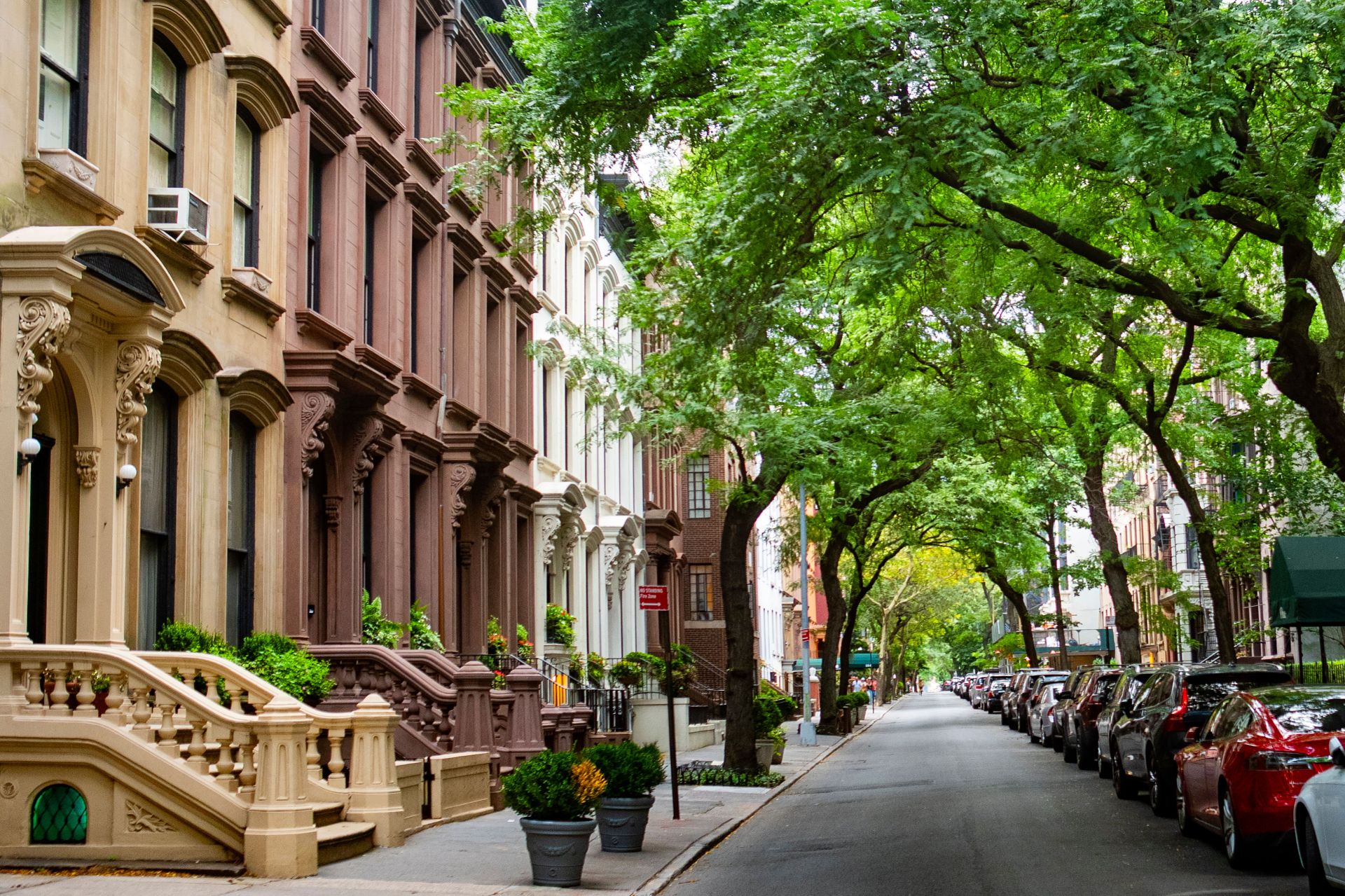
Hamilton Heights is a historic section of West Harlem known for its brownstones, tree-lined streets, and quieter residential blocks.
Areas around Convent Avenue in the 140s offer a side of Manhattan that many people from outside New York do not expect to see. The neighborhood feels residential while still providing access to major subway lines and institutions.
The City College of New York is located in Hamilton Heights, making the area attractive to:
- Students
- Graduate students
- Faculty members
- Visiting scholars
- Researchers
- University employees
The neighborhood is served by several subway options, including the A, B, C, D, and 1 lines, depending on the exact location.
Hamilton Heights may offer more space and a calmer environment than Midtown while remaining within a reasonable commute of many Manhattan destinations.
Because of its brownstones, university access, and transportation, well-priced rooms in Hamilton Heights can attract considerable interest.
East Harlem
East Harlem can be a practical choice for renters who need access to Manhattan’s East Side or the Bronx.
The 4, 5, and 6 trains provide convenient transportation to areas such as:
- The Upper East Side
- Grand Central
- Midtown East
- Union Square
- Lower Manhattan
- The South Bronx
East Harlem also offers bus connections across Manhattan and into nearby neighborhoods.
Prices vary by building, block, room size, and distance from the subway, but East Harlem may provide better value than neighborhoods farther downtown.
Renters working in healthcare, education, retail, or hospitality often consider East Harlem because of its transportation and relative affordability.
Washington Heights
Washington Heights is one of Manhattan’s most active room rental markets.
The neighborhood offers larger apartments, strong transportation, a well-established residential community, and prices that are generally lower than those found in Midtown or Downtown Manhattan.
A typical room may rent for approximately:
$1,000 to $1,200 per month
Washington Heights is served primarily by:
- The A train
- The C train
- The 1 train
The A train is particularly valuable because express service can make the trip to Midtown much faster than many newcomers expect.
Washington Heights is also home to several important educational and medical institutions.
Columbia University Irving Medical Center and NewYork-Presbyterian Hospital are located near West 168th Street and Broadway. Each year, the area attracts people coming to New York for:
- Medical observerships
- Clinical rotations
- Residencies
- Fellowships
- Research programs
- Nursing assignments
- Temporary healthcare contracts
- Specialized medical training
Traveling nurses and other healthcare professionals often look for furnished rooms within walking distance or a short subway ride from the medical center.
Medical students, physicians, researchers, and observers also come from other states and countries to participate in highly competitive programs at the institution.
Yeshiva University also has a major campus in Washington Heights, bringing additional students, faculty members, and university personnel into the local housing market.
These institutions create year-round demand for rooms, particularly furnished rooms with flexible terms and convenient transportation.
Washington Heights is also known for its Dominican culture, local restaurants, neighborhood businesses, and strong sense of community.
Inwood
Inwood is located at the northern end of Manhattan and is often overlooked by renters unfamiliar with the city.
It offers:
- Quieter residential streets
- Access to parks and green space
- Larger rooms in some apartments
- A less hectic environment
- Access to the A and 1 trains
Room prices commonly range from:
$1,150 to $1,400 per month
Inwood can be a strong option for renters who work or study in Washington Heights, Harlem, the Bronx, or along the A and 1 subway lines.
Although it is farther from Midtown, express train service can make the commute manageable.
Renters who value room size and neighborhood atmosphere may find better value in Inwood than in more central areas of Manhattan.
Midtown and Lower Manhattan
Midtown and Lower Manhattan offer convenience, but that convenience comes at a price.
Rooms in these areas may rent for:
$1,500 to $1,800 per month—or considerably more
At the lower end of the range, renters may find:
- Very small rooms
- Flex rooms
- Apartments shared by several roommates
- Limited storage
- Older walk-up buildings
- Less privacy
Paying a higher price may make sense for someone who needs to be close to:
- A demanding job
- A hospital
- A university
- An internship
- A financial district office
- A temporary work assignment
However, many renters discover that living farther uptown and using an express train provides better value without creating an unreasonable commute.
The Subway Line Can Matter as Much as the Neighborhood
In Manhattan, the nearest subway line can have a major effect on your daily life.
A room that appears farther away on a map may provide a faster commute if it is near an express train.
The 2 and 3 Trains
The 2 and 3 trains serve parts of Harlem and provide fast access to:
- Times Square
- Penn Station
- Midtown
- Lower Manhattan
- Brooklyn
These lines are useful for renters working on Manhattan’s West Side or traveling downtown regularly.
The 4, 5, and 6 Trains
The 4, 5, and 6 trains serve the East Side and connect East Harlem with:
- The Upper East Side
- Grand Central
- Union Square
- Lower Manhattan
- The Bronx
The 4 and 5 express trains can significantly reduce commuting time.
The A, B, C, and D Trains
These lines serve parts of Harlem, Hamilton Heights, and Washington Heights.
The A and D express trains can provide fast service to Midtown. The B and C trains serve additional local stations and may be useful depending on the renter’s destination.
The 1 Train
The 1 train serves the West Side, including:
- West Harlem
- Hamilton Heights
- Washington Heights
- Inwood
- Columbia University
- Columbia University Irving Medical Center
- Yeshiva University
Although the 1 is a local train, it provides direct service through many residential and institutional areas.
Before renting a room, consider making the commute during the hours when you will normally travel. A route that looks simple online may feel very different during rush hour, late at night, or on weekends.
What Documents May Be Required?
Requirements vary because many Manhattan rooms are offered by individual homeowners, tenants, or small landlords rather than large management companies.
You may be asked to provide:
- Government-issued identification
- Passport
- Proof of employment
- Recent pay stubs
- Employment offer letter
- Student identification
- College acceptance letter
- Internship confirmation
- Medical rotation or observership letter
- Benefits documentation, when applicable
- References
- First month’s rent
- Security deposit
Some room providers are flexible about credit history, particularly when renting within an owner-occupied apartment. However, they will still want to understand who will be living in the home and whether the rent can be paid reliably.
Having your documents ready can help you move quickly when you find a suitable room.
Why Manhattan Rooms Rent So Quickly
Manhattan is not only a residential borough. It is also one of the largest centers of employment, education, healthcare, finance, culture, and tourism in the country.
Demand comes from many different groups, including:
- College and graduate students
- Hospital employees
- Traveling nurses
- Medical observers
- Interns
- Researchers
- New employees
- Restaurant and hospitality workers
- Retail employees
- Temporary contractors
- People relocating within New York City
A reasonably priced room near a major subway line may receive several inquiries within a short period.
A room can be available in the morning and rented by the evening.
That does not mean renters should make careless decisions. It means they should be prepared to act once they have verified the room, reviewed the terms, and determined that the arrangement is suitable.
How to Recognize a Suspicious Manhattan Room Listing
Manhattan’s high prices and strong demand create opportunities for scammers.
Be especially cautious when a listing promises an unusually low price in a highly desirable location.
Common warning signs include:
- A Manhattan room advertised far below the normal market
- Requests to send money before seeing the room
- Someone claiming to be out of the country
- Refusal to arrange an in-person viewing
- Pressure to pay immediately
- Hotel-quality photographs that do not match the description
- No knowledge of the nearest subway station
- Conflicting information about the address
- Requests for extensive personal documents before basic details are confirmed
- Payment requested through an unfamiliar or difficult-to-reverse method
Never send money simply because someone says several other people are interested.
Before paying, make sure you understand:
- Who is renting the room
- Who lives in the apartment
- The exact monthly or weekly rent
- What utilities are included
- The move-in amount
- The house rules
- Whether visitors are allowed
- Kitchen and bathroom access
- The expected length of stay
- The refund or cancellation terms, if any
A legitimate room should have a real address, clear terms, and someone who can answer reasonable questions about the apartment and neighborhood.
Questions to Ask Before Accepting a Room
Before agreeing to rent, ask:
- Is the room furnished?
- Are utilities included?
- Is Wi-Fi included?
- How many people live in the apartment?
- Is the bathroom shared?
- Can I use the kitchen?
- Is laundry available in the building?
- Are overnight visitors allowed?
- Is smoking permitted?
- Are pets present?
- Is the building a walk-up?
- On which floor is the apartment?
- What is the nearest subway station?
- Is there a security deposit?
- How much is required to move in?
- Is the arrangement weekly, monthly, or longer term?
Clear communication before moving in can prevent misunderstandings later.
Weekly Rooms Versus Monthly Rooms
Some Manhattan room providers rent monthly, while others may accept weekly payment arrangements.
Weekly arrangements can be useful for:
- Short-term workers
- People waiting for permanent housing
- Traveling healthcare professionals
- Interns
- Individuals receiving weekly income
- Renters who need temporary flexibility
However, weekly rent may cost more over a full month than a standard monthly arrangement.
Always calculate the total cost and confirm exactly what is included.
For example, a room rented at $350 per week may appear manageable, but the total over four or five weeks can be considerably higher than expected.
Furnished Rooms in Manhattan
Furnished rooms are especially useful for people arriving with only personal belongings.
They are often preferred by:
- Traveling nurses
- Medical observers
- Students
- Interns
- Researchers
- Temporary employees
- People relocating from another state or country
A furnished room may include:
- Bed
- Mattress
- Dresser
- Closet
- Desk
- Chair
- Air conditioner
- Television
The word “furnished” can mean different things to different people, so ask for current photographs and confirm exactly what will remain in the room.
How Our Manhattan Room Referral Service Works
Rent A Room in NYC connects renters with room providers who contact us when they have space available.
The process begins with a few practical details:
- Your budget
- Desired move-in date
- Preferred neighborhood
- Work or school location
- Length of stay
- Furnished or unfurnished preference
- Any important housing requirements
We then determine whether any current room matches may be appropriate.
Because Manhattan rooms move quickly, availability is generally most relevant when your desired move-in date is approaching.
Rooms cannot always be held several weeks or months in advance. What is available today may no longer be available later, and new rooms may become available unexpectedly.
Our goal is to provide realistic information rather than direct renters toward old or unavailable advertisements.
Need Help Finding a Room in Manhattan?
Contact us using whichever method is most convenient for you.
📱 Mobile (Call, Text & WhatsApp):
646-318-8446
📧 Email:
gabrielnycrooms@gmail.com
If you’re outside the United States, email or WhatsApp is often the easiest way to reach us. To help us better understand your housing needs, please include:
- Your name
- Budget
- Desired move-in date
- Preferred Manhattan neighborhood
- Work, school, or hospital location
- Expected length of stay
- Any important requirements
The more specific your information is, the easier it is to determine whether a room may be suitable.
You can also read our complete NYC Rooms for Rent Guide for broader information about renting throughout New York City.
Frequently Asked Questions About Manhattan Rooms
What is the average cost of a room in Manhattan?
Many Manhattan rooms rent for approximately $1,200 to $1,800 per month, although prices vary based on location, room size, building type, transportation, and amenities.
Where can I find more affordable rooms in Manhattan?
Harlem, Hamilton Heights, East Harlem, Washington Heights, and Inwood generally offer better value than Midtown or Lower Manhattan.
Is Washington Heights convenient for hospital workers?
Yes. Washington Heights is home to Columbia University Irving Medical Center and NewYork-Presbyterian Hospital near West 168th Street and Broadway. The neighborhood attracts hospital employees, traveling nurses, medical students, researchers, and participants in temporary medical programs.
Is Hamilton Heights a good neighborhood for students?
Hamilton Heights can be convenient for students and employees of the City College of New York. It also provides subway access to Columbia University and other Manhattan destinations.
How quickly do rooms rent in Manhattan?
A fairly priced room near a subway station may rent within a few days or even within several hours. Availability depends on price, location, condition, and rental terms.
Can I rent a Manhattan room without established credit?
Some individual room providers may be more flexible than large apartment management companies. They may focus more on income, identification, references, and the renter’s overall situation. Requirements vary.
Should I send a deposit before viewing the room?
Sending money before verifying the room and the person offering it carries serious risk. Whenever possible, view the room in person and confirm all terms before making a payment.
Can I reserve a room months in advance?
Most room providers prefer someone who can move in soon. It is difficult to guarantee a specific room several months in advance because availability changes quickly.
Are furnished rooms available in Manhattan?
Yes. Furnished rooms are common in some shared apartments, especially in Upper Manhattan. Confirm what furniture is included before agreeing to rent.
Which Manhattan neighborhood is best for a fast Midtown commute?
Harlem and Hamilton Heights can provide fast access through express subway lines. Washington Heights may also offer a reasonable Midtown commute when the room is near the A express train.
Final Thoughts
Renting a room in Manhattan is not only about finding the lowest advertised price.
A successful search requires balancing:
- Rent
- Neighborhood
- Subway access
- Room size
- Building type
- House rules
- Move-in costs
- Daily commuting time
Upper Manhattan often provides opportunities that renters unfamiliar with New York may overlook.
Harlem offers broad transportation access. Hamilton Heights combines brownstone streets with proximity to City College. Washington Heights serves major medical and educational institutions. Inwood provides a quieter environment and additional value.
The right room is not necessarily the one closest to Times Square or the one with the most attractive photographs. It is the room that fits your budget, commute, timing, and living needs.
When your move-in date is approaching, contact Rent A Room in NYC with your information, and we will let you know what may be realistically available.